Standing at the Edge of Memory: The Last Witness to Those Who Walked with Christ
In the final years of the first century, as the last apostles died, Papias, bishop of Hierapolis (60-130 AD), devoted himself to a singular mission: collecting the words of those who had actually heard Jesus teach. He interviewed eyewitnesses and their direct disciples, preserving what would otherwise be lost forever.
His five books, Exposition of the Sayings of the Lord, are now lost. Only fragments survive, quoted by later writers. Yet these fragments contain something extraordinary: the earliest testimony about how our Gospels came to be. Papias tells us Mark recorded Peter's preaching, that Matthew originally wrote in Hebrew, and preserves traditions about John the apostle reaching back to eyewitnesses. No other source stands so close to Christianity's origins.
But Papias offers more than historical information. His pages brimmed with vivid apostolic teaching, strange stories about Judas, and detailed millennial visions. These very details that embarrassed later theologians prove his authenticity. This was Christianity before it became respectable—raw, expectant, unrefined.
Eusebius (260-339 AD), the father of church history, preserved Papias's testimony while attacking his intelligence. Why? Because Papias represented an older, more radical Christianity that didn't fit the Constantinian church. His literal expectations of earthly transformation and trust in oral tradition over written texts seemed primitive. Yet Irenaeus (130-202 AD), far closer to the apostolic age, treated Papias as reliable.
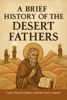
This book recovers the voice of a man who heard those who heard Christ. It examines his methods, his connections to the apostle John, his testimony about Gospel composition, and why his teaching troubled later generations. Most importantly, it asks what we lose when we dismiss uncomfortable voices from the past.
For readers wanting to understand where the Gospels came from and what Christianity looked like when memory of Jesus still lived in human minds, Papias remains indispensable. His world was one where prophecy hadn't ceased, where believers expected Christ's return at any moment.
The tragedy is we can no longer read what he actually wrote. The triumph is that enough survives to show us a Christianity wilder and more alive than we usually imagine.